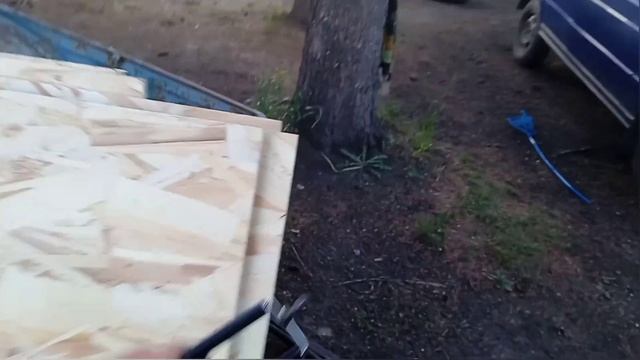
Веранда к дому своими руками. Веранда. Терраса. Беседка. | Длительность: 14:00 | Просмотры: 19.6K


#терраса#дача#строительство Построили террасу с тестем на даче. По мне получилось отлично. Напишите свое мнен...
Автор: Лестницы своими руками | Просмотров: 19.6K | Длительность: 14:00






Видео обзор мест отдыха КСК Фаворит...
1:39
329
КСК Фаворит Подольск
In an experiment or survey, relative frequency of an event is the number of times the event occurs divided by the total number of trials. For example, if you observed 100 passing cars and found. 5 сент. 2019 г. · Relative Frequency Practice Questions Click here for Questions. Click here for Answers. experimental probability Practice Questions Relative frequency is the number of times an event happens divided by the total number of outcomes that took place in an experiment, known as the number of trials. 6 авг. 2025 г. · Relative Frequency is the frequency of an observation concerning the total number of observations. An object's relative frequency is calculated using the formula Relative frequency = f/n … How often something happens divided by all outcomes All the Relative Frequencies add up to 1 (except for any rounding error). 19 мар. 2025 г. · In other words, relative frequency is, in essence, how many times a given event occurs divided by the total number of outcomes. If you organize your data, calculating and … One of the key uses of relative frequency is in testing for bias. We say that an experiment is biased when the probability of a particular outcome is unfairly bigger or smaller than it should be. A relative frequency indicates how often a specific kind of event occurs within the total number of observations. It is a type of frequency that uses percentages, proportions, and fractions. Relative frequency or experimental probability is calculated from the number of times an event happens, divided by the total number of trials in an actual experiment. Relative frequency, on the other hand, is a way to measure how often a particular event occurs against total occurrences. The relative frequency formula says: relative frequency = f/n, where 'f' is the …